


Choosing the Right Driveway Cleaning Company: 10 Tips

Choosing the Right Driveway Cleaning Company: 10 Things Every Homeowner Should Check
Your driveway is one of the first things people notice when they arrive at your home. However, exposure to the Scottish weather, passing vehicles and everyday use can leave driveway surfaces looking dirty, discoloured and neglected.
Over time, moss, algae, weeds, oil stains, tyre marks and general grime can build up on block paving, concrete, tarmac and natural stone. Professional driveway cleaning can help restore the appearance of your property and make your outdoor space look better maintained.
But with different cleaning methods, prices and services available, how do you know which driveway cleaning company to trust?
Choosing the right contractor is important because different driveway materials require different cleaning techniques. Using unsuitable equipment or excessive pressure can damage certain surfaces, disturb jointing sand or leave an uneven finish.
Here are 10 important things to check before choosing a driveway cleaning company.

1. Check Their Experience and Reputation
Driveway cleaning involves more than simply spraying water across a hard surface. Different materials respond differently to cleaning, and a professional contractor should understand how to achieve a suitable result without causing unnecessary damage.
Look for a company with experience cleaning driveways similar to yours, whether you have block paving, concrete, tarmac, imprinted concrete or natural stone.
Before booking, check customer reviews and look for genuine photographs of previous driveway cleaning projects.
You can search Google for:
“[Business name] reviews”
“[Business name] [location] reviews”
“[Business name] driveway cleaning reviews”
- ”[business name] [buinsness owners name] [buisness location]
Pay attention to feedback about the quality of the finished work, reliability, communication and how well the contractor looked after the property.
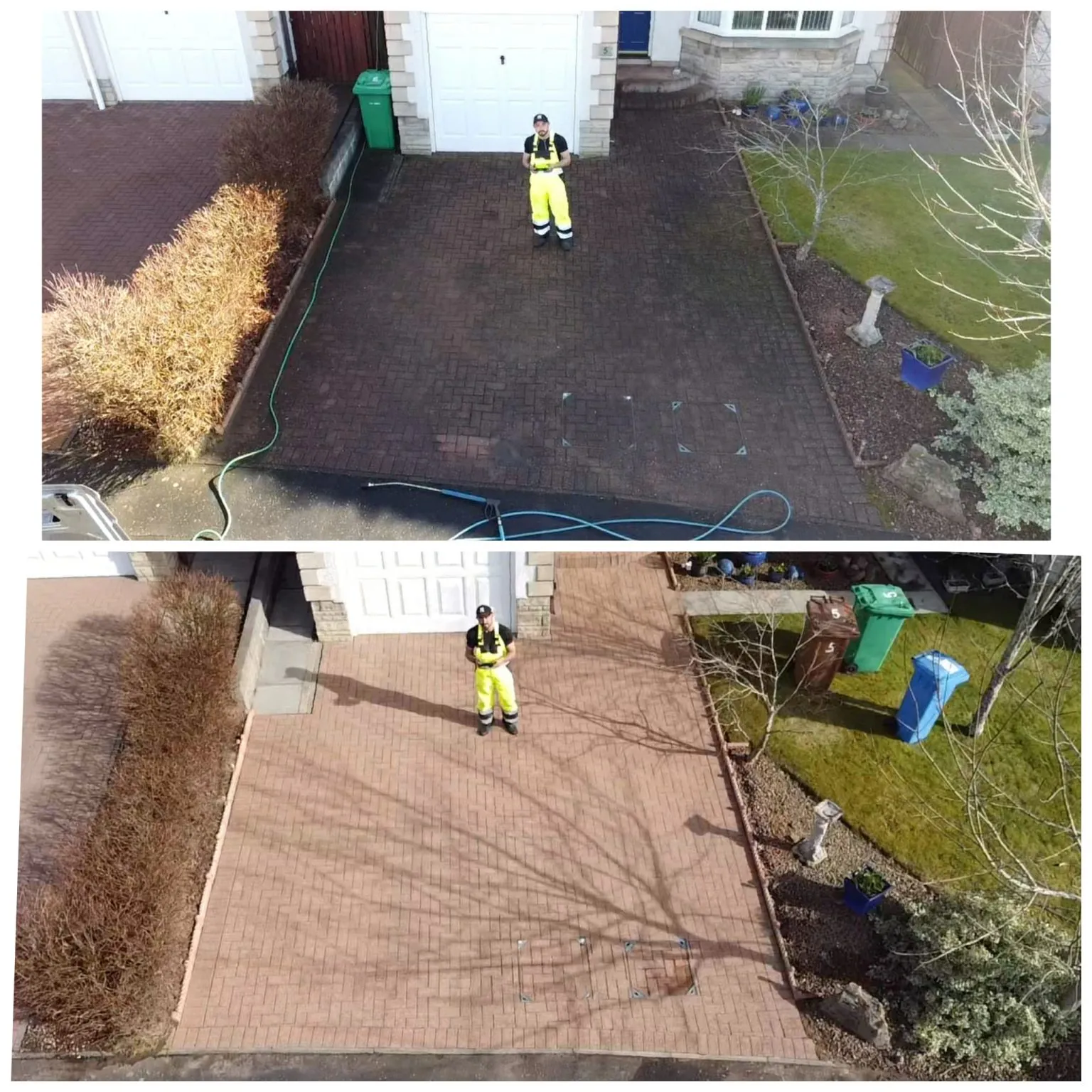
Before-and-after photographs can also help you understand the types of driveways the company regularly cleans.
A reputable contractor should be happy to explain its experience and answer your questions before providing a quotation.

2. Make Sure They Have Suitable Insurance
Professional driveway cleaning involves the use of water, cleaning equipment and, in some cases, specialist treatments. Work may take place near vehicles, windows, doors, exterior walls, garden features and neighbouring properties.
Before agreeing to any work, ask the contractor to confirm its current insurance cover.
Depending on the work involved, relevant cover may include:
Public liability insurance.
Employers’ liability insurance where legally required.
Appropriate cover for subcontractors, where applicable.
Cover for accidental damage to property being worked on.
Treatment risk cover where cleaning chemicals or specialist treatments are used and the policy requires it.
Insurance policies differ, so do not assume that every contractor’s cover includes every type of driveway cleaning or treatment.
Ask for confirmation that the proposed work is covered, particularly if the driveway contains delicate surfaces, specialist coatings or areas that could be affected by chemical treatments.
A professional company should be able to explain its insurance arrangements before work begins.
3. Ask Which Driveway Cleaning Method They Use
Not every driveway should be cleaned using the same method.
The appropriate approach depends on the surface material, its condition, the type of staining and the amount of moss, algae or other organic growth present.
Common driveway cleaning methods include:
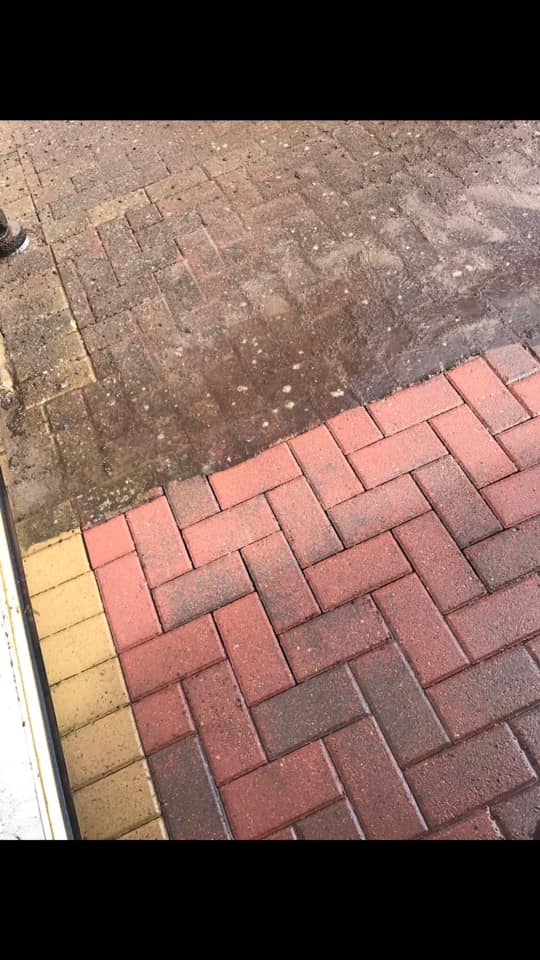
Pressure washing: Suitable equipment and controlled pressure can remove accumulated dirt, algae and grime from many hard surfaces. The pressure and technique must be adjusted to suit the material.
Rotary surface cleaning: Specialist surface cleaners can help achieve a more consistent finish across suitable hard surfaces, reducing the risk of obvious cleaning stripes when used correctly.
Softwashing: Where appropriate, a suitable treatment can help tackle algae and other organic growth on compatible surfaces. Products must be selected and applied according to the surface and manufacturer instructions.
Manual cleaning and targeted treatments: Certain stains, weeds and localised areas may need a more specific approach rather than general pressure washing alone.
Re-sanding block paving: Where applicable, replacement jointing sand may be needed after cleaning, once the paving has dried sufficiently and the joints have been assessed.
Ask the contractor which method they recommend for your driveway and why.
A responsible driveway cleaner should explain the proposed process rather than automatically applying the same technique to every surface.
4. Be Careful of Excessive Pressure Washing
Pressure washing is a common and effective driveway cleaning method, but using excessive pressure or the wrong technique can cause problems.
The risks depend on the material being cleaned, its condition and the equipment being used.
For example:
Block paving: Excessive pressure can remove jointing sand and disturb the joints between blocks.
Tarmac: Unsuitable pressure can damage a deteriorating or poorly bonded surface.
Natural stone: Some softer or more delicate stones can be etched or damaged by aggressive cleaning.
Imprinted concrete: Worn or damaged sealants may be affected by inappropriate cleaning methods.
Concrete: Existing cracks, loose material and surface deterioration can be made worse by unsuitable pressure.
Ask the contractor how they will adjust their equipment to suit your driveway and whether any vulnerable areas need special attention.
It is also worth asking how they will manage water runoff and prevent loosened dirt from being spread onto walls, doors, vehicles and nearby surfaces.
The objective should be a thorough, even clean without unnecessary damage.

5. Look at Before-and-After Photographs
Before-and-after photographs can help you assess the quality of a driveway cleaning company’s work.
Look for genuine examples that show the same driveway before cleaning and after the work has been completed.
Pay attention to the consistency of the finish. Has the dirt and organic growth been removed evenly? Are there visible stripes, missed sections or obvious differences in colour caused by inconsistent cleaning?
If your driveway is block paving, look for examples showing how the joints have been managed. If you have tarmac, imprinted concrete or natural stone, try to find examples involving similar materials.
Remember that photographs cannot tell you everything about the contractor’s workmanship, and some stains or permanent discolouration may remain even after professional cleaning.
However, combined with independent reviews, previous projects can help you make a more informed decision.

6. Get a Clear, Written Quotation
Driveway cleaning prices can vary depending on the size of the driveway, the surface material, accessibility, the amount of dirt and staining, and any additional work required.
A written quotation should explain exactly what is included in the service.
Before accepting a price, check whether it covers:
Cleaning the full driveway area.
Removal of moss, algae and general surface grime.
Treatment of particular stains, where agreed.
Cleaning of driveway edges and accessible borders.
Management of loosened dirt and water runoff.
Removal of accumulated debris after cleaning.
Re-sanding block paving, if required and included.
Application of a suitable post-cleaning treatment, if agreed.
Any optional sealing or additional services.
Not every company includes re-sanding, stain removal, treatments or sealing as standard, so clarify these details before booking.
A low quotation may exclude important parts of the job, while a more expensive quotation is not automatically better.
Compare the scope of work, cleaning methods, experience, insurance and customer feedback alongside the price.

7. Ask Whether Re-Sanding or Sealing Is Necessary
Some driveways benefit from additional work after cleaning, but the right option depends on the surface.
Block paving: Cleaning can remove some of the jointing sand between blocks. Once the paving is sufficiently dry, suitable replacement sand may be needed to restore the joints. The contractor should explain whether re-sanding is necessary and whether it is included in the quotation.
Imprinted concrete: If the surface has a protective sealant, cleaning may reveal areas where the existing coating is worn or deteriorating. Resealing may be worth considering after assessing the condition of the surface.
Natural stone: Some stone surfaces may be suitable for a compatible protective treatment, but this depends on the type of stone, its condition and the product being considered.
Tarmac and standard concrete: Additional treatments are not automatically necessary after cleaning. Any proposed coating or treatment should be suitable for the particular surface.
Be cautious of companies that insist every driveway needs sealing or make unrealistic promises about how long a treatment will last.
Ask what additional work is recommended, why it is necessary and how much it will cost.
A professional contractor should explain the options without pressuring you into purchasing services you may not need.

8. Check How They Work Safely
Driveway cleaning involves machinery, pressurised water, wet surfaces and sometimes cleaning products. Appropriate safety precautions are important throughout the job.
Ask how the contractor plans to manage the work area and protect anyone nearby.
Depending on the property and equipment being used, suitable precautions may include:
Keeping people away from the immediate cleaning area.
Managing hoses, cables and equipment to reduce trip hazards.
Using appropriate personal protective equipment.
Taking care around parked vehicles and neighbouring properties.
Controlling water runoff where necessary.
Following the instructions for any cleaning products used.
Wet driveways can become slippery, particularly when algae or moss has been disturbed. The contractor should take reasonable steps to manage these risks during and immediately after cleaning.
A professional company should also consider nearby drains, garden areas and other surfaces that could be affected by the work.

9. Make Sure They Protect Your Property
Driveway cleaning can loosen substantial amounts of dirt, moss, algae and other debris. Water and cleaning residues can also travel beyond the area being cleaned if they are not managed properly.
Ask the contractor what steps they will take to protect your property.
A professional company should consider:
Protecting nearby doors, windows and vulnerable exterior surfaces.
Taking care around parked vehicles and outdoor furniture.
Preventing unnecessary splashing onto walls and fences.
Protecting vulnerable plants and garden features where necessary.
Managing dirty water and runoff appropriately.
Taking care around drains and drainage channels.
Removing loosened debris and leaving the area reasonably tidy.
You should also establish whether the quotation includes cleaning up any dirt or debris left behind after the main cleaning process.
The aim is not just to improve the appearance of the driveway, but to carry out the work with consideration for the rest of your property.
10. Choose a Company That Gives Honest Advice
A trustworthy driveway cleaning contractor should explain what can realistically be achieved before work begins.
Some driveways respond very well to professional cleaning, while others may have permanent staining, surface damage, loose blocks, deteriorating joints or worn coatings.
Cleaning can improve the appearance of a surface, but it cannot reverse every form of damage or restore worn materials to their original condition.
For example, old oil stains may remain visible after treatment, faded tarmac may still look aged, and damaged imprinted concrete may need repairs rather than cleaning alone.
If a contractor identifies potential problems, ask them to explain what they have observed and whether repairs or specialist attention may be needed.
Be cautious of guarantees that every stain will disappear or that any driveway can be made to look brand new.
Clear advice, realistic expectations and transparent pricing are important signs of a company that takes its work seriously.
Why Choose a Professional Driveway Cleaning Service?
Professional driveway cleaning can improve the appearance of your property’s entrance, remove accumulated dirt and organic growth, and help keep outdoor surfaces looking well maintained.
However, achieving a good result requires an appropriate cleaning method for the driveway material, careful management of water runoff and attention to the condition of the surface.
At MK Cleaning Services & Property Maintenance, we provide professional exterior cleaning services across Fife and surrounding parts of Scotland.
We understand that homeowners want a cleaner, better-presented driveway without unnecessary damage to their paving, surrounding property or garden.
Whether your driveway is covered in moss and algae, has become discoloured by everyday use or needs attention after a long period without cleaning, we can discuss the options available for your property.
Thinking about having your driveway cleaned?
Visit our Driveway Cleaning service page to find out more about our service, or contact MK Cleaning Services & Property Maintenance to request a quotation.
FAQ About Choosing a Driveway Cleaning Company
What should I look for when choosing a driveway cleaning company?
Look for relevant experience, suitable insurance, genuine customer reviews and examples of previous driveway cleaning projects. Ask for a written quotation explaining the cleaning method, what is included and whether additional services such as re-sanding or stain treatment are available.
How often should a driveway be professionally cleaned?
The ideal frequency depends on the driveway material, surrounding trees, exposure to weather and how heavily the surface is used. Some homeowners arrange professional cleaning every year, while others only need it every two or three years. Regular maintenance can help prevent heavy accumulations of moss, algae and grime.
Is pressure washing safe for block paving?
Pressure washing can be suitable for block paving when the equipment and technique are appropriate. However, excessive pressure can remove jointing sand and disturb the joints between blocks. Ask the contractor how they will protect the paving and whether re-sanding may be needed afterwards.
Can professional driveway cleaning remove oil stains?
Cleaning and targeted stain treatments can improve the appearance of some oil stains, but results depend on how deeply the oil has penetrated the surface and how long it has been present. Older or deeply absorbed stains may not disappear completely. A reputable contractor should explain the likely outcome before treatment.
Will driveway cleaning remove moss, algae and weeds?
Professional cleaning can remove surface moss, algae and much of the accumulated organic growth. It can also remove many small weeds growing in paving joints, although established weeds may require additional treatment or removal. New growth can return over time, depending on the conditions.
How long does professional driveway cleaning take?
The time required depends on the size of the driveway, the amount of dirt and organic growth, the surface material and whether additional work is required. A small, lightly soiled driveway may take considerably less time than a large block-paved driveway with heavy moss growth and staining.
Can driveway cleaning damage tarmac?
It can if excessive pressure or unsuitable techniques are used, particularly on an older or deteriorating surface. A professional contractor should assess the condition of the tarmac and choose a suitable cleaning method. Loose or damaged material may need attention before cleaning.
Do I need to have my driveway sealed after cleaning?
No. Sealing is not necessary for every driveway. Whether it is worthwhile depends on the surface material, its condition and the type of protection required. Ask the contractor whether sealing is appropriate for your driveway and what preparation, costs and maintenance it involves.
Is the cheapest driveway cleaning company the best choice?
Not necessarily. Compare the work included in each quotation, the company’s experience, insurance, cleaning methods and customer reviews. Check whether debris removal, stain treatments, re-sanding and other additional services are included before comparing prices.
Can driveway cleaning make the surface slippery?
he cleaning process can temporarily leave a driveway wet, and loosened algae or moss may affect traction during the work. Once cleaning is complete, the surface should be allowed to dry and any remaining residues should be managed appropriately. The long-term slip resistance also depends on the surface material, its texture and the conditions present.
Is the cheapest driveway cleaning company the best choice?
Not necessarily. Compare the work included in each quotation, the company’s experience, insurance, cleaning methods and customer reviews. Check whether debris removal, stain treatments, re-sanding and other additional services are included before comparing prices.
Can driveway cleaning make the surface slippery?
The cleaning process can temporarily leave a driveway wet, and loosened algae or moss may affect traction during the work. Once cleaning is complete, the surface should be allowed to dry and any remaining residues should be managed appropriately. The long-term slip resistance also depends on the surface material, its texture and the conditions present.
Can a driveway be cleaned in winter?
Driveway cleaning may be possible during suitable winter conditions, but freezing temperatures, frost and poor weather can affect safety and the quality of the work. A responsible contractor should assess the conditions before proceeding and postpone cleaning if the surface is unsafe or water is likely to freeze.