


Choosing the Right UPVC Cleaning Company: 10 Tips
Choosing the Right UPVC Cleaning Company: 10 Things Every Homeowner Should Check
Professional UPVC Cleaning: What Homeowners Should Know Before Booking
UPVC is widely used on homes across Scotland for windows, doors, fascias, soffits and other exterior fittings. Over time, exposure to rain, wind and changing weather conditions can leave these surfaces looking dirty, discoloured and neglected.
Dirt, algae, traffic film and general weathering can gradually build up on UPVC, affecting the appearance of your property’s exterior. Professional UPVC cleaning can help remove suitable surface contamination and restore a cleaner, better-maintained appearance.
However, choosing the right UPVC cleaning company is just as important as deciding to have the work carried out.
Although UPVC is designed to be durable and relatively low maintenance, unsuitable cleaning products, excessive pressure or abrasive tools can damage the surface, affect its finish or leave visible marks. Older UPVC may also be more vulnerable to staining, deterioration and discolouration.
With different cleaning methods, prices and treatments available, how do you know which UPVC cleaning company to trust?
Here are 10 important things to check before choosing a professional UPVC cleaning contractor.

1. Check Their Experience and Reputation
UPVC cleaning involves more than simply washing down a window frame or fascia board. A professional contractor should understand how different exterior fittings respond to cleaning and which methods are appropriate for the material and its condition.
Look for a company with experience cleaning UPVC windows, doors, fascias, soffits and other exterior surfaces similar to those on your property.
Before booking, check customer reviews and look at examples of previous UPVC cleaning projects.
You can search Google for:
“[Business name] reviews”
“[Business name] [location] reviews”
“[Business name] UPVC cleaning reviews”
“[Business name] UPVC cleaning before and after”
Pay attention to feedback about the quality of the finished work, reliability, communication and how carefully the contractor treated the property.
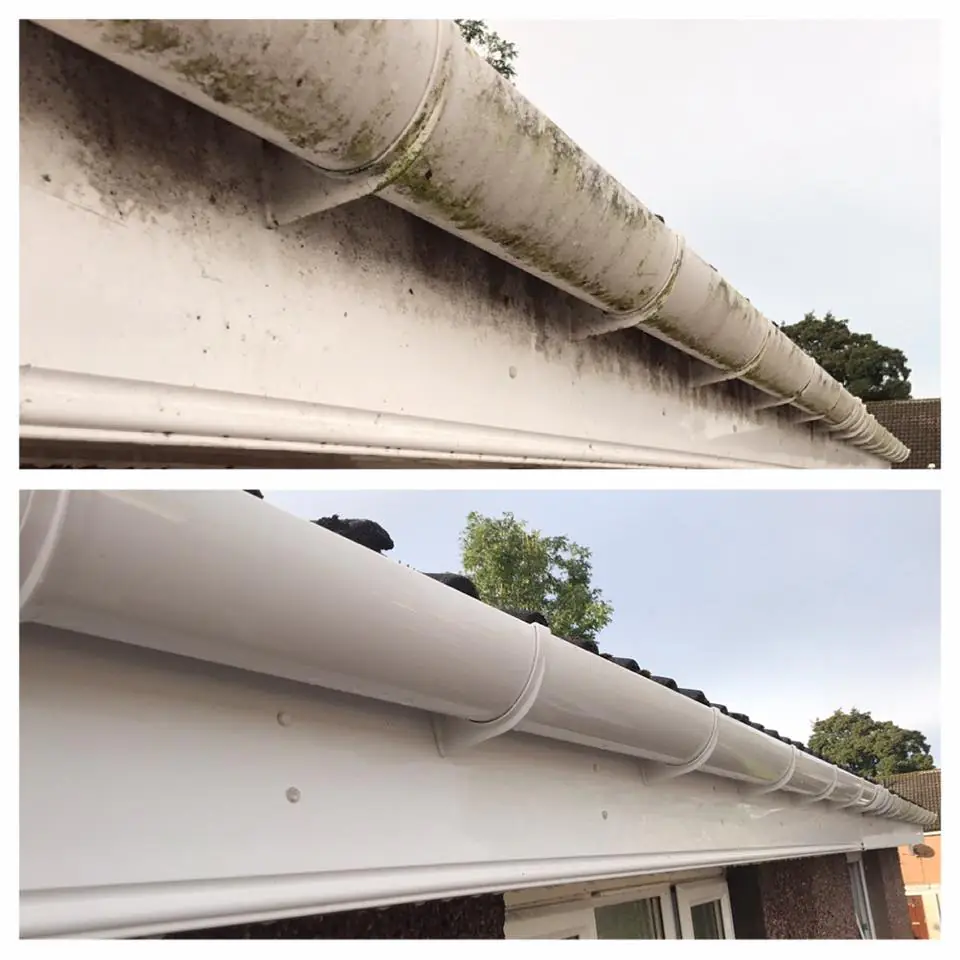
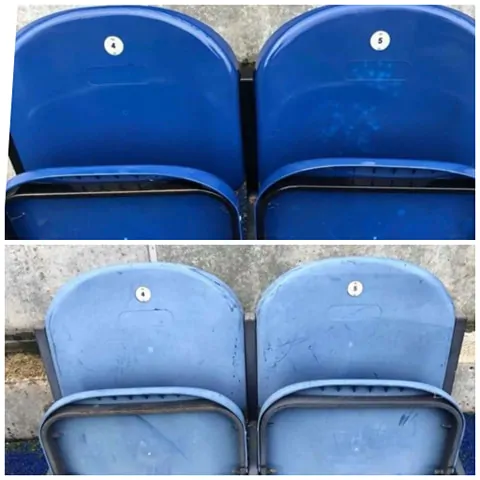
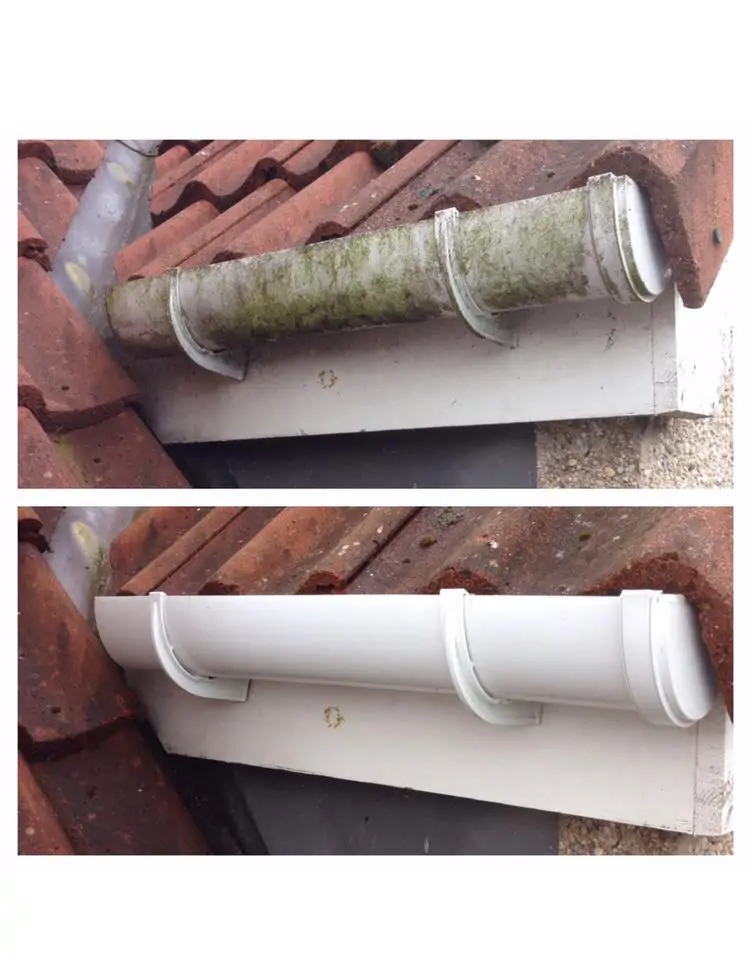
Before-and-after photographs can also help you assess a company’s experience. Look for genuine examples showing the condition of the UPVC before cleaning and the results afterwards.
Check whether the frames, sills, fascias and other included areas have been cleaned consistently, including corners and other detailed sections.
A reputable contractor should be happy to explain its experience and answer your questions before providing a quotation.

2. Make Sure They Have Suitable Insurance
UPVC cleaning can involve water, specialist equipment, cleaning products and working at height. The work may take place close to windows, doors, exterior walls, garden furniture, vehicles and neighbouring properties.
Before agreeing to any work, ask the contractor to confirm its current insurance cover.
Depending on the services provided, relevant insurance may include:
Public liability insurance.
Employers’ liability insurance where legally required.
Appropriate cover for subcontractors, where applicable.
Cover for accidental damage associated with the cleaning work.
Suitable cover for the cleaning methods and products being used.
Insurance policies differ, so do not assume that every contractor is covered for all cleaning methods or specialist treatments.
Ask whether the proposed work falls within the scope of the company’s insurance, particularly if it involves high-level fascias, soffits, specialist chemicals or access equipment.
A professional UPVC cleaning company should be able to explain its insurance arrangements before work begins.
3. Ask Which UPVC Cleaning Method They Use
Different UPVC surfaces and levels of contamination can require different cleaning methods.
Softwashing, low-pressure cleaning and suitable specialist cleaning products may be appropriate for certain UPVC surfaces. The best approach depends on the condition of the material, the type of dirt and the surrounding surfaces.
Using excessive pressure or unsuitable products can cause problems, including:
Scratching or marking the surface.
Damaging seals or vulnerable fittings.
Forcing water into areas where it should not enter.
Affecting existing coatings or specialist finishes.
Leaving streaks or uneven cleaning results.
Damaging surrounding materials.
Ask the contractor how they will choose the appropriate cleaning method for your UPVC.
They should be able to explain which products they intend to use, whether pressure washing is suitable and how they will protect vulnerable areas.
Older, brittle, cracked or heavily weathered UPVC may need a more cautious approach. A careful contractor will assess the condition of the material before cleaning begins rather than automatically using the same method on every property
4. Make Sure They Understand the Risks of Excessive Pressure
Pressure washing can be useful for some exterior cleaning tasks, but excessive pressure or an unsuitable technique can damage UPVC fittings and surrounding materials.
Potential problems include:
Water being forced behind window or door seals.
Damage to vulnerable sealants and joints.
Water entering ventilation openings or other sensitive areas.
Damage to older or brittle components.
Marks on surrounding render, paintwork or masonry.
Unwanted spray reaching electrical fittings or nearby openings.
The risks depend on the surface, its condition, the equipment used and how the cleaning is carried out.
Ask the contractor how they will manage water pressure, spray direction and runoff around windows, doors, fascias and soffits.
They should also explain how they will take care around seals, joints, vents and other vulnerable features.
A careful contractor will prioritise the condition of your property and use a suitable method rather than assuming that higher pressure will produce a better result.

5. Look at Before-and-After UPVC Cleaning Photographs
Before-and-after photographs are a useful way to assess a UPVC cleaning company’s previous work.
Look for genuine examples showing the same windows, frames, fascias or soffits before cleaning and after the job has been completed.
Pay attention to the consistency of the finish. Have dirt and algae been removed evenly? Are there visible streaks or missed areas? Have the corners, edges and accessible detailed sections been cleaned carefully?
Try to find examples involving surfaces similar to those on your property. Cleaning newer white UPVC may present different challenges from cleaning older frames that have become weathered or discoloured.
It is also important to understand that cleaning does not necessarily restore every surface to its original colour. Permanent staining, oxidation, UV exposure and deterioration can affect the final appearance.
Some marks may remain even after suitable cleaning, particularly where the material has aged or its surface has changed.
Lighting, wet surfaces and camera angles can also influence how clean a surface appears in photographs.
However, previous projects combined with independent customer reviews can give you a better understanding of the contractor’s experience and attention to detail.

Get a Clear, Written UPVC Cleaning Quotation
UPVC cleaning prices can vary depending on the size of the property, the number of windows and exterior fittings, accessibility, the amount of contamination and whether additional services are required.
A written quotation should clearly explain which areas will be cleaned and what the service includes.
Before accepting a price, check whether the quotation covers:
Cleaning of the agreed UPVC surfaces.
Removal of suitable dirt, algae and surface grime.
Cleaning of accessible frames and window sills, where included.
Cleaning of fascias and soffits, if requested.
Cleaning of doors and other UPVC fittings, if included.
Appropriate care around glass, seals and surrounding finishes.
Protection of vulnerable garden features and property fittings.
Management of water runoff and loosened debris.
Removal of cleaning residue from the work area.
Any additional treatments or optional services.
Not every UPVC cleaning company includes windows, doors, fascias, soffits and conservatory frames in the same quotation, so establish exactly what you are paying for.
Also check whether difficult access, specialist treatments or particularly stubborn staining will incur additional charges.
A very cheap quotation may exclude important areas, while the most expensive company is not automatically the best.
Compare the proposed work, cleaning methods, insurance, experience and customer feedback alongside the price.
7. Ask About Cleaning Products and Additional Treatments
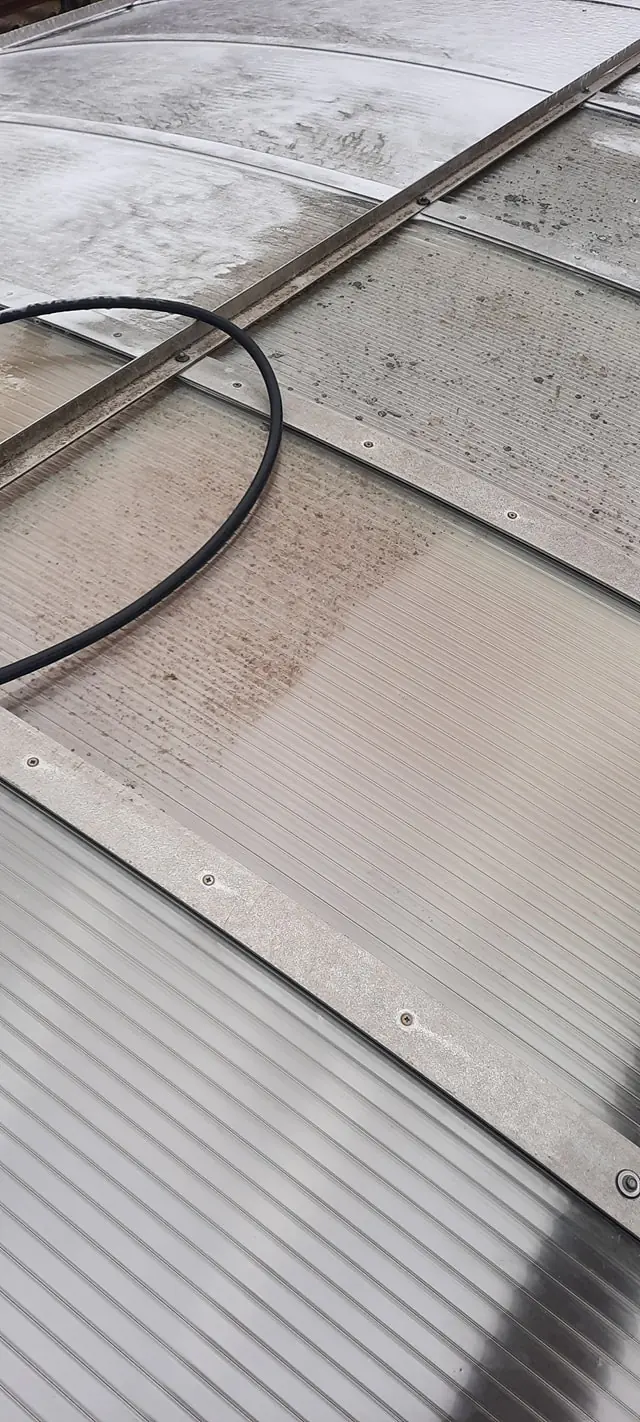
Some UPVC surfaces can be cleaned effectively with an appropriate cleaning solution and a suitable application method. Others may require a different approach depending on the type of contamination and the condition of the material.
Ask the contractor which cleaning products they intend to use and why they are suitable for your property.
A professional should consider whether the products are compatible with the UPVC, existing finishes, seals and surrounding materials.
They should also explain any relevant precautions concerning:
Nearby plants, lawns and garden borders.
Glass, painted surfaces and exterior coatings.
Window and door seals.
Surface drainage and water runoff.
Outdoor electrical fittings.
Pets and people using the property.
Nearby ponds and water features.
- Overspray of cleaning soloution on roof line
Where cleaning chemicals are used, the contractor should follow the manufacturer’s instructions and take appropriate precautions.
Be cautious of companies that recommend expensive restoration products or additional treatments without explaining their purpose, cost or limitations.
Cleaning and restoration are different services. If UPVC has become permanently discoloured or deteriorated, ordinary cleaning may not reverse the change.
You should understand what each proposed treatment is intended to achieve before agreeing to it.
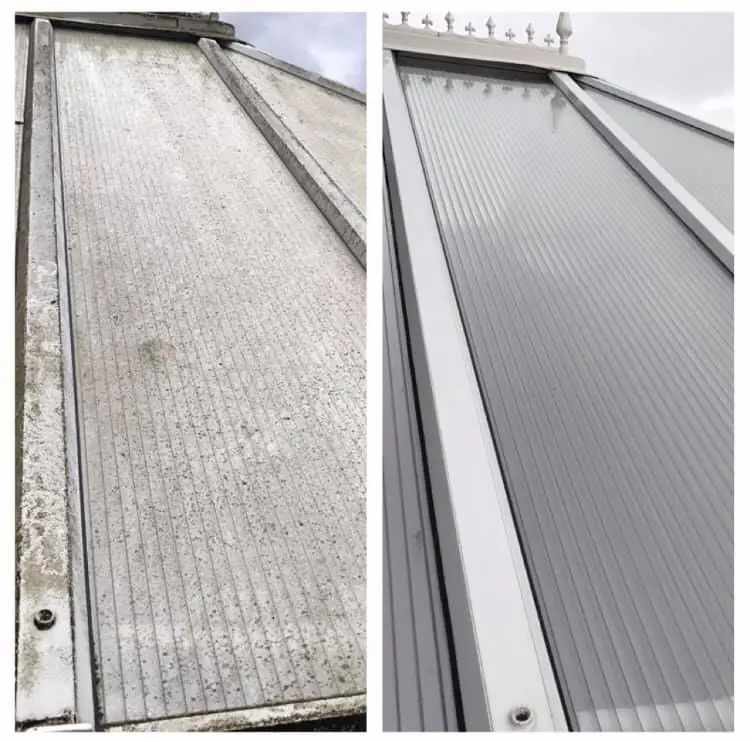
8. Check How They Work Safely
UPVC cleaning may involve ladders, water-fed poles, specialist equipment or other access methods, depending on the height and layout of the property.
Appropriate safety precautions are particularly important when cleaning upper-floor windows, fascias, soffits, conservatories and other high-level fittings.
Ask the contractor how they plan to manage the work area and reduce the risks involved.
Depending on the job, suitable precautions may include:
Selecting appropriate access equipment and working methods.
Using suitable protective equipment.
Managing hoses and cables to reduce trip hazards.
Taking care around outdoor sockets and electrical fittings.
Protecting windows, doors and nearby property features.
Controlling spray and water runoff.
Keeping people away from the immediate cleaning area where necessary.
Following the instructions for any cleaning products used.
Water, cleaning solutions and hoses can create additional hazards around entrances, paths and driveways.
A professional company should assess the work and take appropriate precautions rather than relying solely on experience.
Before booking, it is reasonable to ask how the contractor intends to access difficult areas and whether any parts of the job require special arrangements.
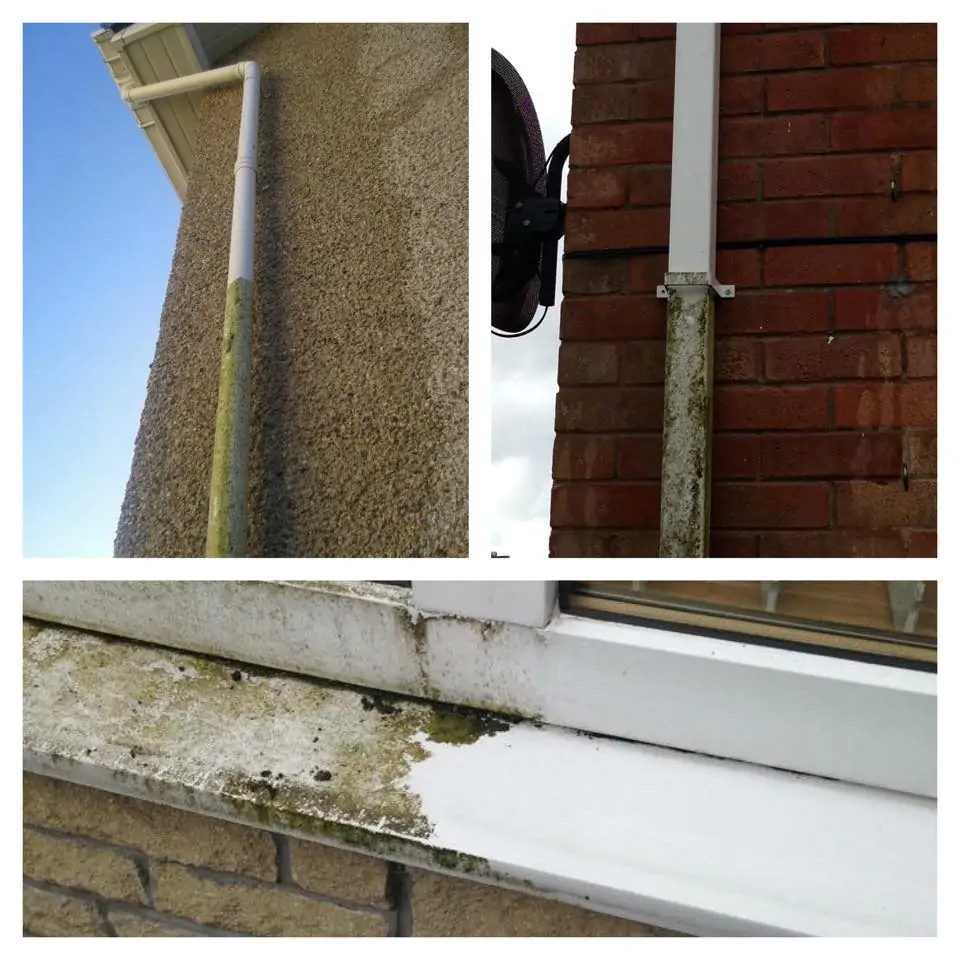
9. Make Sure They Protect Your Garden and Surrounding Property
UPVC cleaning can loosen dirt, algae and other contamination that may spread onto nearby surfaces if the work is not managed properly.
Ask the contractor what steps they will take to protect the rest of your property.
A professional UPVC cleaning company should consider:
Taking care around glass, window seals and door frames.
Protecting vulnerable plants and garden borders where necessary.
Avoiding unnecessary splashing onto neighbouring properties.
Taking care around painted surfaces and exterior finishes.
Protecting garden furniture and other nearby items where appropriate.
Managing dirty water and surface runoff.
Taking care around drains and drainage channels.
Preventing loosened dirt from being spread around the property.
Leaving the work area reasonably tidy.
It is also worth confirming whether the quotation includes cleaning around the edges of frames, accessible sills and other detailed areas.
If the work involves upper-floor windows, conservatories or high-level fascias, ask how the contractor will manage runoff and protect surfaces below.
A good result involves more than the appearance of the UPVC itself. The contractor should take reasonable care of the surrounding property throughout the cleaning process.

10. Choose a Company That Gives Honest Advice
A trustworthy UPVC cleaning contractor should recommend a method based on the material and its condition, rather than automatically recommending the most expensive service.
Some surfaces respond well to professional cleaning, while others may have permanent staining, oxidation, faded finishes or damage that cleaning alone cannot correct.
Before work begins, ask the contractor what results can realistically be achieved.
They should be prepared to explain any limitations, particularly if your UPVC is old, brittle, cracked or heavily discoloured.
UPVC cleaning cannot repair damaged frames, replace failed seals, correct structural problems or reverse every type of permanent colour change.
If a contractor identifies a potential problem, ask them to explain what they have observed and whether repairs or specialist attention may be needed before cleaning proceeds.
Be cautious of unrealistic promises that every surface will look brand new or that all stains can be removed completely.
Clear advice, realistic expectations and transparent pricing are important signs of a company that takes its work seriously.
Why Choose a Professional UPVC Cleaning Service?
Professional UPVC cleaning can improve the appearance of your property’s exterior by removing suitable dirt, algae and accumulated grime from windows, doors, fascias, soffits and other exterior fittings.
However, achieving a good result requires appropriate cleaning methods, suitable equipment and an understanding of the material being treated.
At MK Cleaning Services & Property Maintenance, we provide professional exterior cleaning services across Fife, Edinburgh, Dundee and surrounding parts of Scotland.
Whether your UPVC window frames have accumulated dirt and algae, your fascias and soffits need attention or your exterior fittings have become weathered, we can discuss the work involved and help you understand the options available for your property.
We believe homeowners should understand the proposed cleaning method, what is included in the quotation and what results can realistically be achieved before making a decision.
Thinking about having your UPVC cleaned?
Visit our UPVC Cleaning service page to find out more about our service, or contact MK Cleaning Services & Property Maintenance to request a free, no-obligation quotation.
Frequently Asked Questions About UPVC Cleaning
How often should UPVC be professionally cleaned?
For most properties, UPVC fascias, soffits, window frames and doors benefit from professional cleaning approximately once or twice a year. Properties near busy roads, trees, coastal areas or locations exposed to persistent damp weather may need more frequent cleaning. Regular maintenance helps prevent dirt, algae and other organic growth from building up.
What is the best way to clean UPVC?
The best approach depends on the condition of the surface and the type of contamination. A professional cleaner will normally assess the UPVC before selecting a suitable cleaning solution, equipment and method. Gentle cleaning is generally preferable to unnecessarily aggressive methods that could damage seals, finishes or surrounding materials.
Can UPVC be cleaned without pressure washing?
Yes. Many UPVC surfaces can be cleaned using suitable cleaning products, brushes, cloths and controlled rinsing. Pressure washing is not always necessary and can be unsuitable around window seals, vents, joints and older or damaged components.
Can professional UPVC cleaning remove green algae?
Professional cleaning can often remove green algae and other organic growth from UPVC fascias, soffits, window frames and doors. The results depend on how established the growth is and the condition of the surface. Regular maintenance can help reduce the likelihood of heavy regrowth.
Can black marks be removed from white UPVC?
Many black marks caused by dirt, environmental pollution and organic growth can be improved or removed with appropriate cleaning. However, some marks may be caused by staining, degraded materials or chemical reactions and may not disappear completely. A reputable contractor should explain what results are realistically achievable.
Will cleaning restore yellowed UPVC to its original white colour?
Not always. Professional cleaning can remove surface dirt and grime, making white UPVC look significantly brighter. However, yellowing caused by ageing, prolonged UV exposure, oxidation or changes to the material itself may not be fully reversible through cleaning alon
How much does professional decking cleaning cost?
UPVC can be damaged by unsuitable chemicals, abrasive tools or excessive pressure. A professional should choose an appropriate cleaning method, avoid unnecessary force and take care around seals, joints, vents and existing damage.
Can I combine UPVC Cleaning with other services?
Cleaning fascias, soffits and window frames together can be a practical way to improve the overall appearance of a property. These surfaces are exposed to similar weather conditions and often collect dirt, algae and atmospheric deposits. You can ask your cleaning contractor whether combining these services would be suitable for your property.
What is the difference between UPVC fascia and soffit cleaning?
Fascias are the boards fitted along the roof edge, commonly supporting the guttering. Soffits are fitted underneath the roof overhang. Both can collect dirt, algae and environmental deposits, but access and cleaning requirements may differ depending on the roofline design.
Can UPVC doors be professionally cleaned?
Yes. UPVC front doors, back doors and other external UPVC door surfaces can usually be professionally cleaned. The contractor should take care around locks, handles, letterboxes, weather seals and other fittings, using a suitable method for the material and its condition.
Can conservatory UPVC frames be cleaned?
Yes. Conservatory frames, roofline components and other external UPVC surfaces can often be cleaned as part of a conservatory cleaning service. The correct approach depends on the frame material, glazing, roof design and accessibility.
Does UPVC cleaning include removing moss from the roof?
Not necessarily. UPVC cleaning usually focuses on exterior plastic components such as fascias, soffits, window frames and doors. Roof moss removal is a separate service and may require different equipment, precautions and cleaning methods. Ask for both services to be itemised if you need them.
How do I get a quote for UPVC cleaning?
Contact MK Cleaning Services & Property Maintenance with details of your UPVC, its approximate size, the material and its current condition. Photographs can also help us understand the work involved and provide guidance on the most suitable cleaning approach.